Exploring Natural Wine Producers in France
Key Regions: Burgundy and Loire Valley
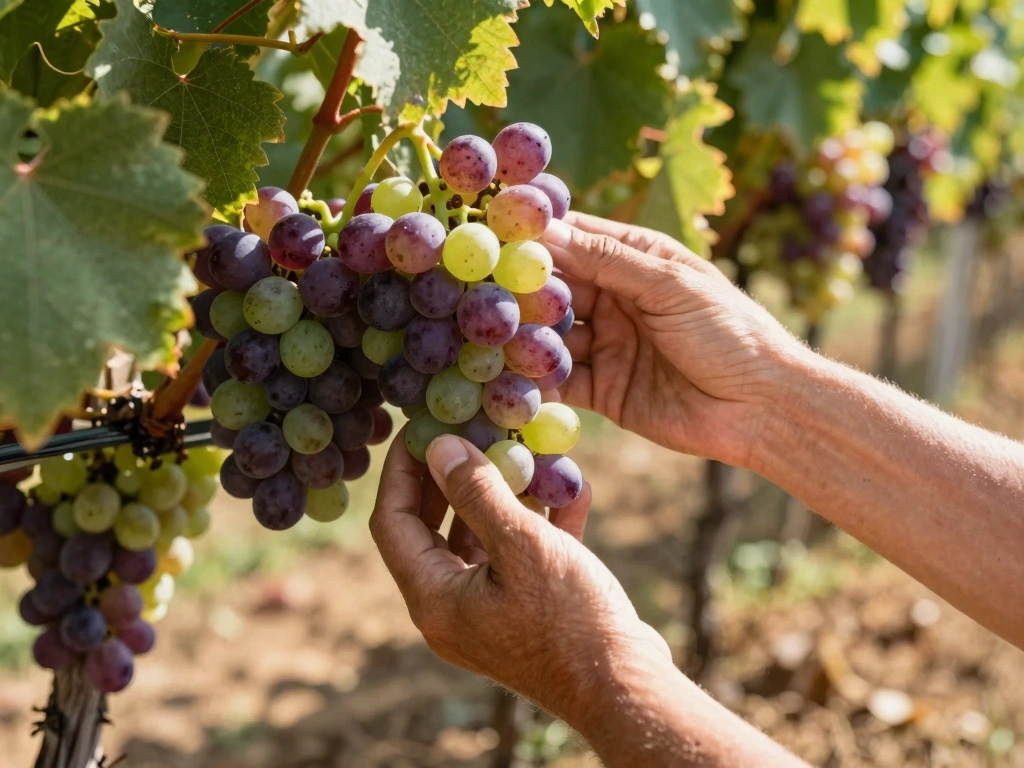
France is often regarded as the birthplace of natural wine, with its rich history in viticulture and diverse terroirs. Among the most prominent regions for natural wine production are Burgundy and the Loire Valley. Burgundy, renowned for its Pinot Noir and Chardonnay, embraces minimal intervention practices that enhance the expression of its unique terroirs. The Loire Valley, often referred to as the “Garden of France,” offers a wide array of grape varieties, including Chenin Blanc and Sauvignon Blanc, making it a hotspot for innovative natural wine producers.
Notable Producers: Profiles of Leading Winemakers
- Domaine de la Romanée-Conti: This legendary estate in Burgundy is known for its exquisite Pinot Noir and commitment to biodynamic farming practices. With wines like Romanée-Conti, which can fetch prices upwards of $20,000 per bottle, their meticulous attention to detail and respect for nature are evident.
- Jean-François Ganevat: Based in Jura, near Burgundy, Ganevat is celebrated for his natural wines made from indigenous grape varieties. His approach includes using natural yeasts and minimal sulfur, resulting in vibrant and complex wines such as his “Vignes de Mon Père” Chardonnay.
- Domaine Guiberteau: In the Loire Valley, Guiberteau produces stunning Chenin Blanc from the Saumur region. His wines, characterized by their minerality and depth, reflect the unique limestone soils of the area. The “Les Moulins” cuvée is a standout, showcasing the potential of natural winemaking in the region.
Unique Terroirs and Flavor Profiles
The terroirs of Burgundy and the Loire Valley contribute significantly to the flavor profiles of their natural wines. In Burgundy, the combination of clay, limestone, and varying microclimates produces wines with distinct notes of red fruits, earthiness, and minerality. In contrast, the Loire Valley’s diverse soils—from tuffeau limestone to sandy alluvium—create wines with bright acidity, floral aromas, and complex fruit flavors. These characteristics are amplified in natural winemaking, where the absence of additives allows the true essence of the terroir to shine.
Natural Wine Makers in Italy: A Regional Overview
Tuscany: The Heart of Italian Natural Wines
Tuscany is synonymous with Sangiovese and is a pivotal region for natural wine production in Italy. The picturesque landscapes, steeped in viticultural history, provide fertile ground for innovative winemakers who prioritize organic and biodynamic practices. In this region, the focus is not only on tradition but also on the philosophy of minimal intervention.
Profiles of Pioneering Winemakers in Sicily
- Tenuta delle Terre Nere: Located on the slopes of Mount Etna, this winery is known for its organic practices and unique volcanic terroir. Their Etna Rosso wines often exhibit bright red fruit flavors, floral notes, and a mineral finish, showcasing the distinctiveness of the region.
- Francesco Guccione: This small-scale producer in Sicily emphasizes local grape varieties like Nero d’Avola and Grillo. Guccione’s wines are crafted with minimal intervention, resulting in vibrant, expressive profiles that reflect the island’s terroir.
Flavor Characteristics of Italian Natural Wines
Italian natural wines are characterized by their authenticity and expressiveness. In Tuscany, Sangiovese wines often display bright cherry and plum flavors, with earthy undertones that reflect the region’s terroir. Sicilian wines, on the other hand, can range from rich and full-bodied to light and aromatic, often exhibiting sun-kissed fruit flavors and a refreshing acidity. The diversity of Italy’s landscapes and climates plays a crucial role in shaping these unique flavor profiles.
Emerging Natural Wine Regions in the United States
California: The Trailblazers of Natural Wine
California has emerged as a leading player in the natural wine movement, with regions like Sonoma and Mendocino at the forefront. The state’s warm climate and varied microclimates provide an ideal environment for diverse grape varieties, enabling winemakers to experiment with different styles and techniques.
Profiles of Innovative Producers in Oregon
- R. Stuart & Co: This winery in Oregon’s Willamette Valley is known for its commitment to organic farming and minimal intervention winemaking. Their Pinot Noir, crafted from estate-grown grapes, showcases the region’s terroir with bright acidity and layers of red fruit.
- Beaux Frères: Founded by two brothers, this winery emphasizes sustainable practices while producing small-batch, handcrafted wines. Their Beaux Frères Vineyard Pinot Noir is celebrated for its elegance, balance, and depth of flavor.
Distinctive Flavors: The Impact of Climate and Soil
The climate and soil of California and Oregon significantly influence the flavor profiles of their natural wines. California's warm, sunny days and cool nights lead to ripe fruit flavors, while the diverse soils—from sandy loam to volcanic ash—add complexity. In contrast, Oregon’s cooler climate results in wines with vibrant acidity and nuanced flavors, often exhibiting earthy and herbal notes alongside the fruit. The combination of these elements creates a diverse landscape of natural wines that captivate enthusiasts.
Natural Wine Production in Spain: A Regional Insight
The Influence of Galicia and Catalonia
Spain's natural wine scene is gaining momentum, particularly in regions like Galicia and Catalonia. Galicia, known for its high rainfall and cooler climate, is home to unique grape varieties such as Albariño and Godello. Meanwhile, Catalonia's diverse landscapes and rich winemaking traditions foster innovation in natural wine production.
Spotlight on Small-Scale Producers in Andalusia
- Barbadillo: This small producer in the Sherry region emphasizes traditional methods while embracing natural techniques. Their Manzanilla wines are known for their briny, nutty flavors and refreshing acidity, making them a perfect example of Andalusian natural wine.
- Vinos de la Tierra: Focused on organic practices, this collective of small producers in Andalusia is dedicated to showcasing local grape varieties. Their wines often reflect the region's terroir, featuring herbal and citrus notes alongside ripe fruit flavors.
Flavor Innovations and Traditional Techniques
Spanish natural wines often combine traditional techniques with modern innovations. In Galicia, wines made from indigenous varieties exhibit bright acidity, floral aromas, and mineral notes, reflecting the region’s coastal terroir. In contrast, Catalonia’s natural wines may showcase a blend of traditional varietals and experimental techniques, resulting in unique expressions of flavor. The emphasis on organic farming practices and minimal intervention allows for a dynamic exploration of flavors, making Spanish natural wines increasingly popular among enthusiasts.
Natural Wine Trends in Eastern Europe
Profiles of Noteworthy Producers in Georgia
Georgia, often referred to as the cradle of wine, has a rich history that dates back over 8,000 years. The country’s unique winemaking techniques, particularly the use of qvevri (large clay vessels buried underground), have garnered international attention. Natural wine producers in Georgia prioritize traditional methods, resulting in wines that are deeply rooted in their cultural heritage.
Emerging Markets: Hungary and Poland
- Disznókő: In Hungary’s Tokaj region, Disznókő produces natural wines that emphasize the region’s indigenous Furmint grape. Their wines often exhibit rich honeyed notes balanced by vibrant acidity, showcasing the potential of natural winemaking in Hungary.
- Winiarnia Ziemowita: This Polish winery is committed to organic farming and minimal intervention. Their wines, crafted from local grape varieties, often exhibit fresh fruit flavors and a crisp finish, reflecting the emerging natural wine scene in Poland.
Flavor Diversity: A Blend of Tradition and Modernity
The natural wines of Eastern Europe are characterized by their diversity and rich flavors. Georgian wines made in qvevri often display unique tannin structures and complex flavor profiles, with notes of stone fruits, herbs, and earthiness. In Hungary and Poland, the revival of indigenous grape varieties and organic practices has led to exciting innovations, resulting in wines that beautifully blend tradition with modernity. This growing interest in natural winemaking is reshaping the landscape of Eastern European wines, appealing to a new generation of enthusiasts.